








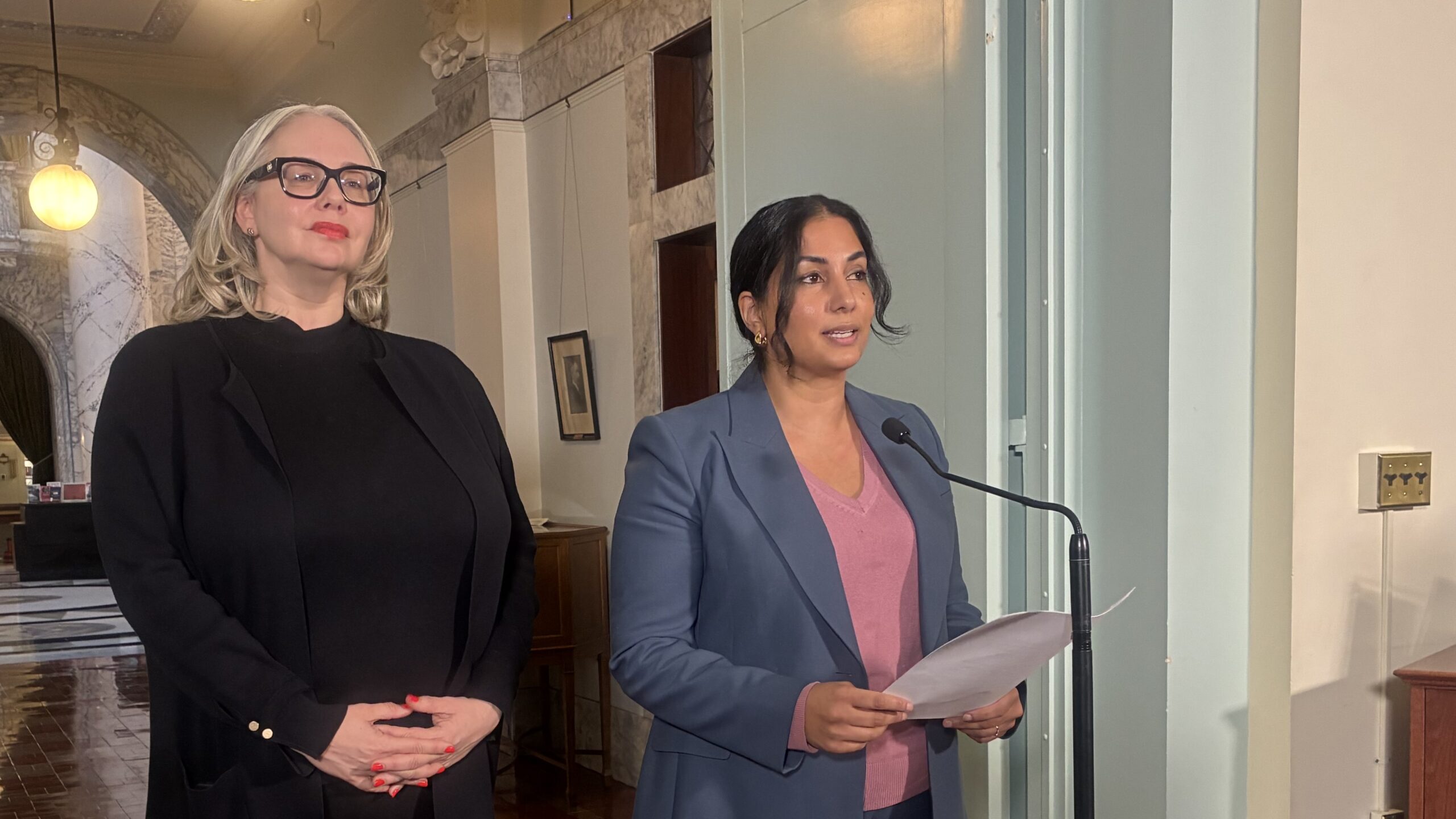

B.C. Attorney General Niki Sharma said proposed changes to Canada’s bail laws reflect the province’s push for tougher rules targeting repeat and violent offenders.
The federal Bail and Sentencing Reform Act, introduced Thursday, would make more than 80 changes to the Criminal Code, including stricter bail provisions in cases of violent extortion and intimate partner violence.
It bill includes several new reverse onuses – meaning that in certain cases, the accused would have to prove why they should be released on bail. Those include in cases of assault and sexual assault involving choking, suffocating or strangulation.
Sharma said she hopes it will prevent tragedies like the death of Bailey McCourt from happening again.

The 32-year-old mother died in hospital after a July 4 hammer attack in Kelowna. McCourt’s former partner, James Plover, is charged with second-degree murder in her death. The attack happened just hours after Plover was convicted on charges related to a 2024 incident, including assault by choking, and was released on bail.
“My hope is that this means that what happened to Bailey will never happen again in this province or this country,” said Sharma on Thursday.
The bill also includes expanded sentencing tools. A sentencing judge would be required to consider consecutive sentences for repeat violent offenders, in certain cases. It also expands the onus for offenders with other convictions within the previous 10 years, up from five years.
Kelowna Mayor Tom Dyas is among several B.C. mayors who have pushed for stricter bail and sentencing laws targeting repeat offenders.
“It is encouraging to see the proposed federal bail reforms include a focus on violent and repeat offending including organized retail theft, break and enter, and auto-theft,” said Dyas in a statement.
He also lauds changes that would require courts to consider the number or seriousness of outstanding charges when determining whether to release an offender on bail.
“I am hopeful this legislation will provide the tools needed to improve safety and restore confidence in the justice system — priorities we continue to advance through our advocacy,” said Dyas.
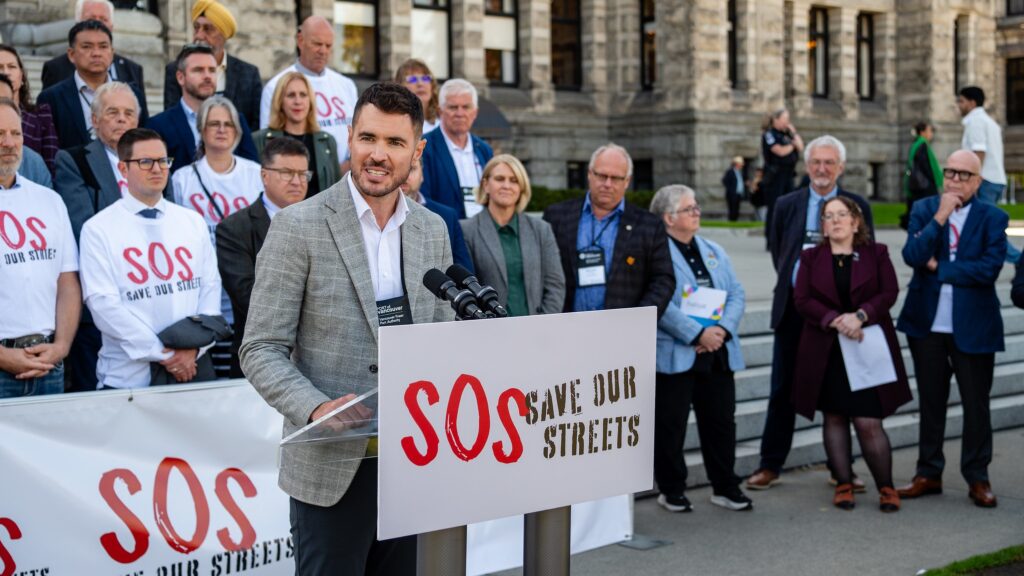
Port Coquitlam Mayor Brad West said the legislation is long overdue, particularly the increase reverse onus provisions, but it won’t be a “silver bullet.”
“These laws won’t be worth the paper they’re written on if we don’t have resources in place with police and Crown, to make sure they’re actually applied,” said West.
The president of the B.C. Crown Counsel Association, Adam Dalrymple said a panel last month at the Union of B.C. Municipalities that prosecutors in the province are overwhelmed as their numbers haven’t kept pace with population growth. He called for more prosecutors and resources are needed to keep up with the high amount of evidence coming from police.
Richmond-Queensborough MLA and attorney general critic Steve Kooner, agreed the B.C. government needs to make sure the justice system has the resources to handle violent, repeat offenders.
“The issue is with enforcement on the ground,” he said. “You need to make sure the administration of justice is properly funded if you want to see results.”
Legal experts say there’s little data to support the proposed changes
Rebecca McConchie, an executive with the Trial Lawyers Association of B.C., disagrees that these changes will do much to address the issues that cause crime, or help people feel safer in their communities.
She said there’s not enough data to support the argument that a tougher approach to bail and sentencing is going to make a difference.

“The evidence that we do have shows that pre-trial detention does not reduce overall crime and can in fact increase crime.” she said. “People can lose their jobs, lose their housing, lose their connections to resources and supports in the community.”
She noted Indigenous and racialized people are already over-represented in Canada’s jails, and the proposed changes are “almost certain” to worsen the crisis.
“If there is evidence to support what the government is doing, I would love to see it,” said McConchie.
Vibert Jack, the litigation director for the B.C. Civil Liberties Association says the bill is a “step in the wrong direction.”
He acknowledged the concerns about crime and street disorder that many local downtowns have reported facing. But he said focusing resources on addressing homelessness, addiction and mental health would be a more effective way to address the problem, not a crackdown on crime.
Jack noted that crime rates have broadly fallen over the past 30 years in Canada.
“There is no evidence that lenient approaches to bail by the courts are causing crime, so I would say that this bill is really political posturing,” he said.
McConchie agreed there is a lot of focus on a few tragic cases where a person commits a crime while out on bail, but she said the success stories are ignored.
“We don’t hear the stories of people who were released on bail and were allowed to go back to work the next day and keep supporting their family, or get into a treatment program they’ve been on the waitlist for, or maintain their housing that they just entered,” she said.