







A national advocacy group for small businesses is calling for a co-ordinated approach to help small alcohol producers sell their products across provincial borders.
The Canadian Federation of Independent Business said in a report released Monday there has been little movement from federal and provincial governments, despite recent commitments to ease trade barriers within Canada.
It said small and craft alcohol producers face major roadblocks reaching new markets outside of their home province.
“When American liquor products were pulled from store shelves across Canada in response to U.S. tariffs, it opened space that could, and should, have been filled by Canadian producers,” said Keyli Loeppky, CFIB’s director of interprovincial affairs, in a statement. “Instead, rigid interprovincial rules and excessive red tape continue to hinder small alcohol producers from expanding beyond their home provinces, leaving significant growth potential untapped.”
The 2017 Canadian Free Trade Agreement established a working group with the goal of improving alcohol trade across Canada. That led to an action plan in 2019, outlining commitments to improve consumer choice and greater transparency and access to markets for alcohol producers.
But the CFIB report said businesses are still struggling to navigate complex rules and high shipping costs, with poor communication from regulators.
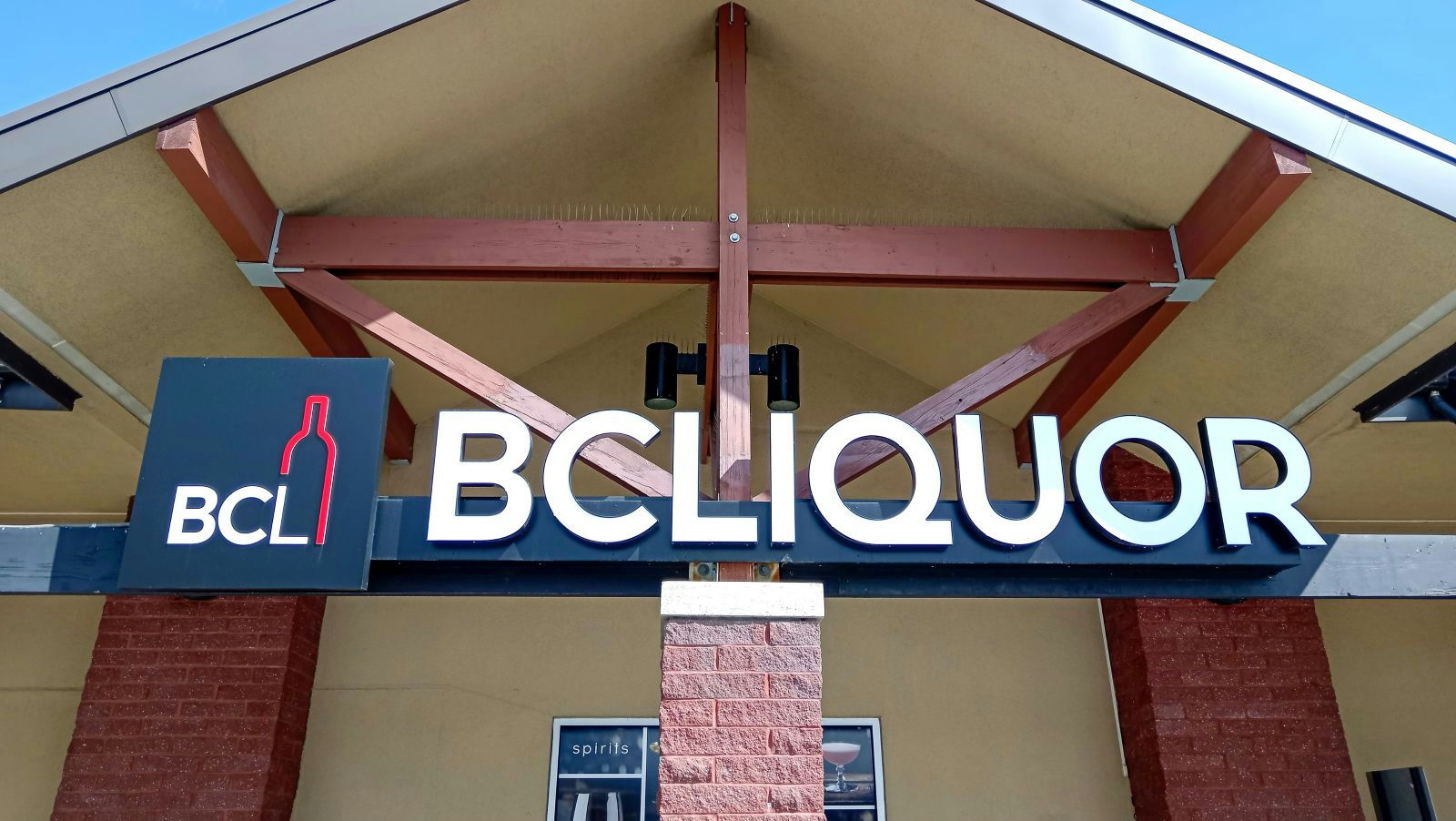
In B.C., the Liquor Distribution Branch (LDB) regulates wholesale and retail alcohol sales, and consumers can choose between private and public retailers.
But it gets complicated for producers to sell in provinces with different systems, even in neighbouring Alberta which uses a fully private retail model.
Differences in lab testing regulations and markup rates across jurisdictions also add to the confusion for producers.
“Small producers often need to conduct detailed market research into provincial markups, wholesale pricing rules, and retail models to determine whether interprovincial expansion is financially viable for their business,” said the CFIB report.
In July, B.C., Yukon and eight other provinces signed a memorandum of understanding to improve the flow of alcohol between provinces through direct-to-consumer sales. The agreement said the provinces would aim to have their systems in place by May 2026.
The more than 300 wineries in B.C. are already allowed to sell directly to consumers. The province has agreements in place with Alberta, Manitoba and Nova Scotia, but there are still barriers to shipping wine to other provinces.
CFIB said the agreements represent a step forward, but there’s a risk of even more red tape down the line if reforms are introduced piecemeal.
The B.C. government said the work to improve the system is still in “early stages.”
“The BC Liquor Distribution Branch and government are proceeding carefully and working closely with industry to align priorities with broader policy objectives,” said the statement.
The province said it is looking into ways to streamline licensing processes in the province and reducing backlogs. That includes reviewing the some regulations that are unique to wineries, like the minimum annual production volume of 4,500 litres.
The CFIB noted B.C. has taken other positive steps, including improvements to the LDB’s website to make it easier for consumers to access products.
But it said significant barriers persist due to the patchwork of regulations across provinces.
The group is urging provinces and territories to fulfill all the commitments on alcohol trade outlined by the Canada Free Trade Agreement by next May.