







British Columbia’s drug decriminalization pilot will end this month, the province confirmed Wednesday.
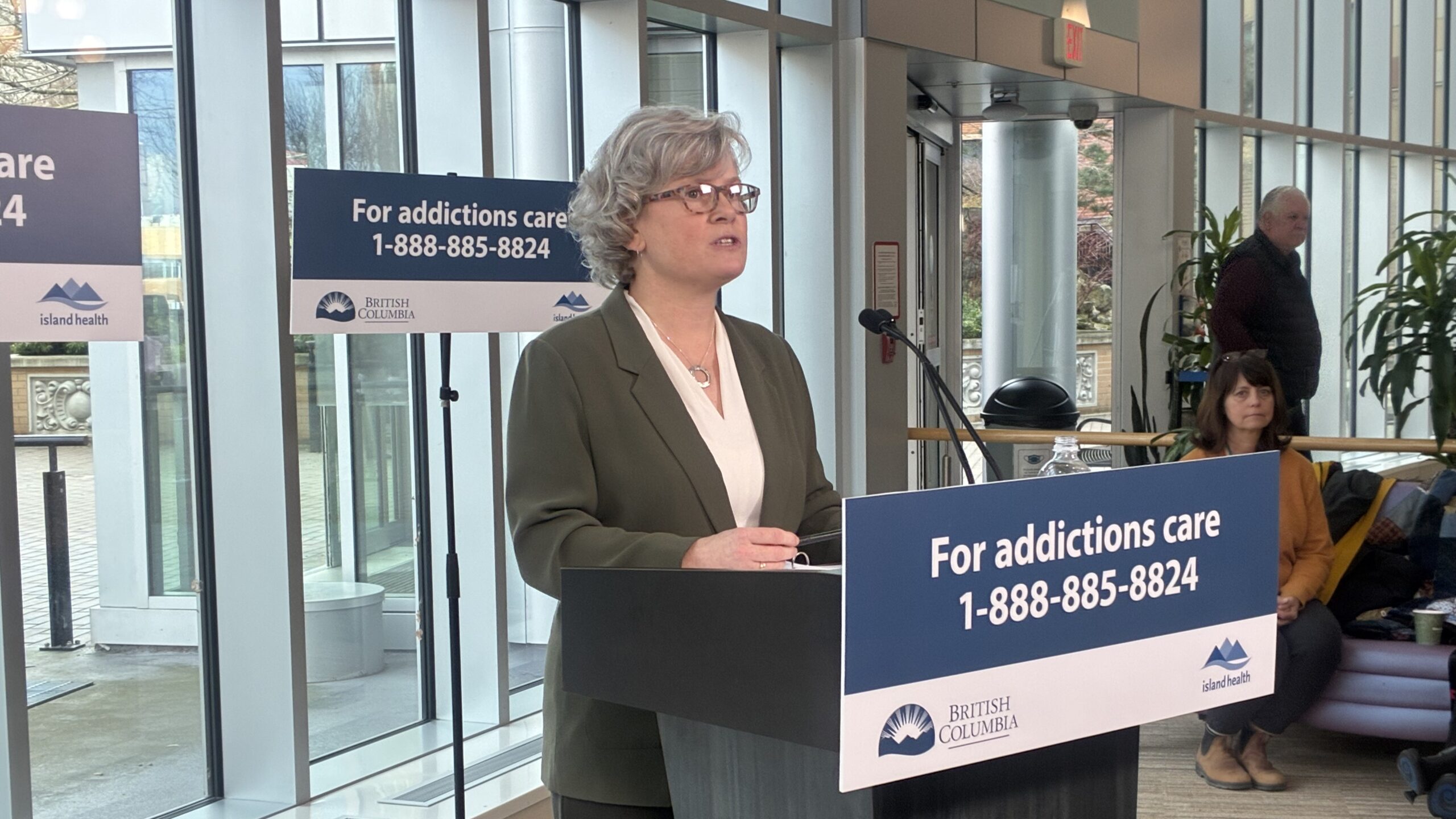
“The pilot hasn’t delivered the results that we hoped for,” said Health Minister Josie Osborne on Wednesday. She said the province won’t ask the federal government to renew B.C.’s exemption from the federal Controlled Drugs and Substances Act.
“We continue to believe that addiction is a health issue, not a criminal justice issue,” said Osborne.
B.C.’s three-year exemption came into effect in January 2023. It was aimed at reducing stigma and getting more people into addiction treatment.
The pilot allowed adults to possess up to 2.5 grams of certain illicit substances, including opioids, cocaine, methamphetamine and MDMA. Amendments introduced in 2024 restricted possession to private residences, shelters and treatment facilities.
Without the exemption, those substances will again be illegal in any amount, with federal exemptions for drug checking sites and supervised consumption sites.
Osborne said the province saw a decrease in possession offences and seizures during the pilot. But she said it’s difficult to measure any outcome in isolation and attribute it directly to decriminalization, such as the number of people seeking treatment.
Data in the B.C.’s government’s latest report on the pilot shows possession offences had been gradually falling since 2019, and decreased sharply after the pilot was first introduced. Possession offences have trended upward again since May 2024, when the amendments took effect, to about 80 per cent of what they were in 2022.
A 2024 survey cited in the report found many people who use substances reported feeling optimistic that the program would lead to less stigma, and had experienced a more positive relationship with police.
Still, more than half said they were hesitant to access services, with most saying they were worried about being treated poorly due to their substance use or housing situation.
Toxic drug deaths have trended downward since a record high of 2589 deaths in 2023. The latest data as of October show there were 1538 unregulated drug deaths in B.C. in 2025.
The B.C. Conservatives and some mayors have said decriminalization has led to increased public drug use and disorder.
“The NDP government has finally admitted what British Columbians have known for years: drug decriminalization didn’t work,” said Skeena MLA and addictions critic Claire Rattée in a statement.
“From the outset, businesses, local governments, and police raised alarms about increased public drug use and disorder in community spaces. Instead of acting quickly to tighten the rules and restore confidence, the NDP defended the approach until the consequences became impossible to ignore,” said Rattée.
Addiction, homelessness and street disorder dominated discussions at the Union of B.C. Municipalities gathering last September. Nelson Mayor Janice Morrison described decriminalization as a “Pandora’s box” that her municipality is struggling to close.
But B.C. Green MLA for West Vancouver-Sea to Sky said the NDP is backing away from an evidence-informed policy in order to appease critics. “We cannot throw the baby out with the bathwater here,” he said.
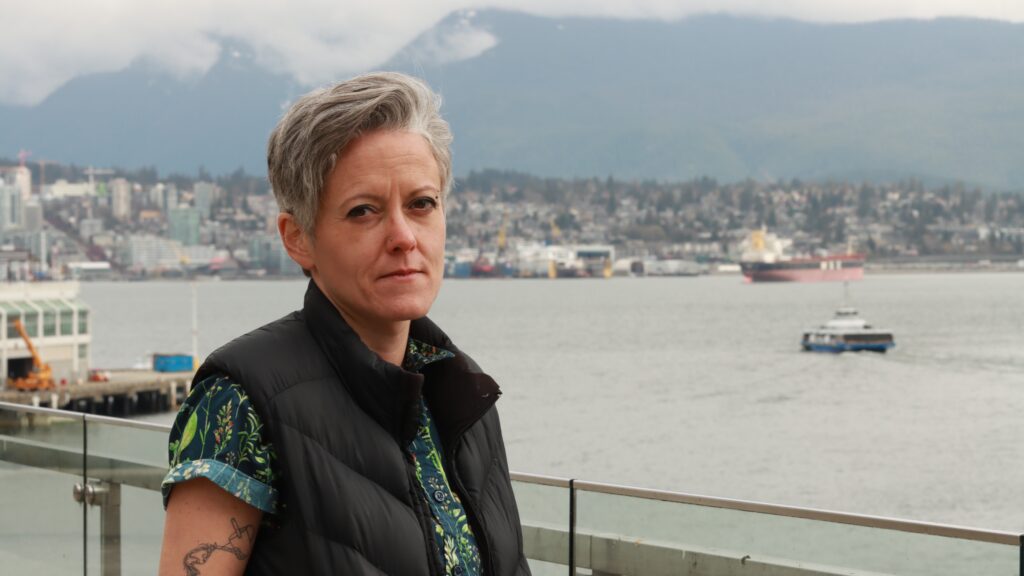
DJ Larkin, executive director of the Canadian Drug Policy Coalition, said the organization was not surprised to see the pilot wouldn’t be extended. Larkin said the program was imperfect from the beginning.
“Decriminalization requires some really specific supports, and the B.C. government did not provide them,” said Larkin. “There’s international data showing what models of decriminalization are most effective and B.C. didn’t follow all of the clear indicators on that.”
Still, Larkin said there was hope that it would be a good first step and B.C. would continue to evolve the program, but B.C. instead stepped back from the pilot after getting political backlash.
Larkin said a big missing piece in B.C. is the lack of funding for indoor inhalation services for people who use substances, while inhalation has become the most common way people take unregulated drugs.
“People are reaching out for services, but they can’t access them because they’re not available,” said Larkin.
The ministry announced on Wednesday it’s expanding a clinical phone line service called Access Central to Fraser Health, Interior Health and Island Health. The service aims to connect people to addiction treatment more quickly.