









KELOWNA, B.C. — Residents across the Central Okanagan are being urged to identify and remove invasive weeds ahead of summer to help protect local ecosystems, agriculture and reduce wildfire risk.
The Regional District of Central Okanagan (RDCO) says fast‑spreading invasive plants crowd out native species, threaten livestock, reduce crop yields and can increase fire hazards if left unmanaged.
RDCO’s invasive weeds enforcement program is now active and runs until the end of September. The program supports compliance with local bylaws requiring property owners to control noxious weeds and tall grasses.
Property owners in Kelowna, Lake Country, Peachland and RDCO electoral areas east and west are required to keep their land free of noxious weeds under RDCO’s weed control bylaw. The City of West Kelowna enforces its own good neighbour bylaw, which also includes noxious weeds.
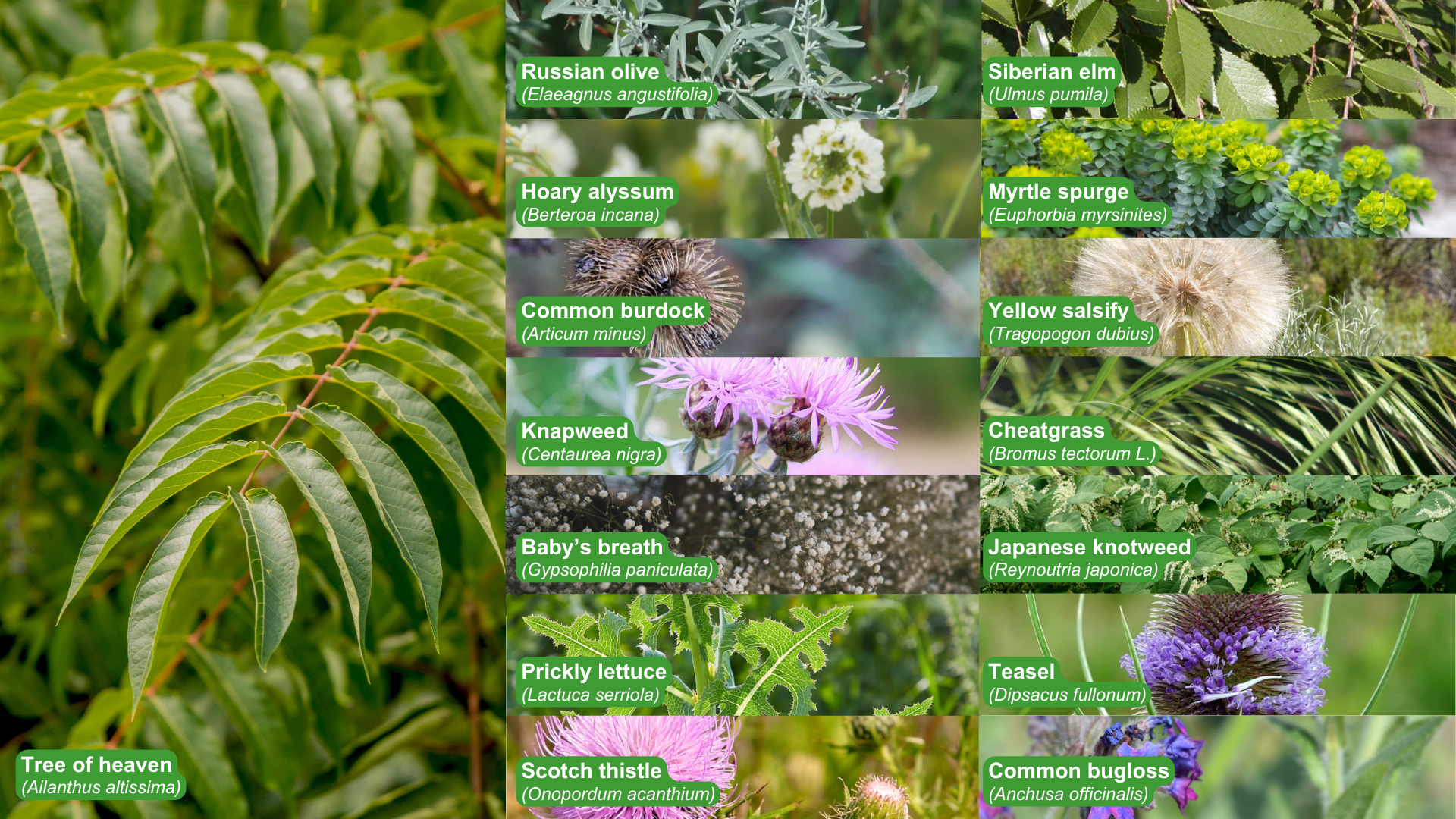
The weed drawing the most concern this year is tree of heaven, an aggressive species that has been spreading quickly throughout the Central Okanagan. The fast‑growing tree produces large amounts of seed, releases chemicals that inhibit the growth of nearby plants and can damage buildings and infrastructure.
Tree of heaven can be identified by its smooth grey bark, long compound leaves, small pale flowers and red, winged seeds. RDCO warns all parts of the plant must be bagged and disposed of in household garbage, not composted or burned.
As an incentive, RDCO and the City of Kelowna are offering a free native tree to eligible residents who remove tree of heaven from their property. Through the “Root for Change” program, residents in RDCO enforcement areas who remove a tree with a diameter of at least 10 centimetres at breast height can apply online by submitting a photo of the removed tree.
The program is limited to 100 trees on a first‑come, first‑qualified basis and does not include properties in the City of West Kelowna.
RDCO is also monitoring a range of other invasive weeds that can harm farms, livestock and natural areas, including hoary alyssum, Japanese knotweed, Scotch thistle, knapweed and cheatgrass. Other species such as Russian olive and Siberian elm are also of concern due to their aggressive growth and ability to displace native plants.
Residents are encouraged to report invasive weeds and learn about safe removal methods through RDCO and the B.C. Invasive Species Council.