






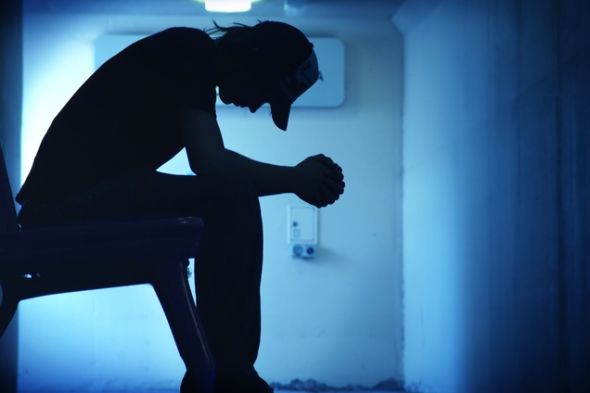

Kelowna RCMP and the Canadian Mental Health Association, Kelowna & District (CMHA Kelowna & District) are encouraging residents to access the Crisis Response Community-Led (CRCL) program. It launched in February, 2026 with the intention of being the first point of contact for non-emergency mental health crises, leaving 9-1-1 available for any immediate threat to life or safety.
“Many people experiencing a mental health crisis do not require a police response,” said Inspector Laura Pollock, Kelowna RCMP. “CRCL responders are highly trained professionals who can help de-escalate situations, provide support, and connect people to the services they need. Our relationship with CRCL allows us to work together to ensure community members receive the most appropriate care.”
Operated by CMHA Kelowna & District, CRCL ( ‘circle’) provides compassionate, community-based response for individuals aged 13 and older experiencing a mental health crisis in Kelowna. Specially trained responders assess situations, provide timely emotional support, connect individuals with appropriate services, and help reduce the need for emergency interventions when it is safe to do so.
By combining community-based mental health expertise with public safety resources, the collaboration helps improve outcomes while reducing unnecessary police involvement when a law enforcement response is not required.
Giles Ringer, Manager of CRCL at CMHA Kelowna & Distric says the response is discreet, respectful and consensual.
“When we arrive on scene we always make sure that the individual, when we begin engaging with them and having a conversation, are consenting to service. Our team shows up in plain clothes, they are community members, nobody would recognize them. Our vehicle is unmarked. We make sure that individuals are getting a compassionate consent-based in-person service from 11 a.m. to 8.30 p.m. every day of the week.”
People can access CRCL by calling or texting 778-940-2560 during the time mentioned by Ringer. Calls can also be made on behalf of someone else needing support.
Ringer provided examples of the situations leading to calls for CRCL.
“It can be something really simple as struggling with finances or maybe you have a loss of a family member in your life and you need someone to talk to or you’re struggling with suicidal ideation and need somebody to address or support you in figuring out how to stay safe.
In that same circumstance, if it is something imminent that is determined by the dispatcher or the team when they arrive on scene, they will immediately divert and escalate up to 911.
Inspector Pollock also mentioned Mounties will still respond to any call made to 9-1-1 regarding mental health. In some cases, if safe to do so, Police will hand over the response to CRCL members when appropriate or recommend CRCL respond when able.
More information about CRCL is available through the CMHA Kelowna website.